Research
Below are some of the research areas we are currently working on. We are always looking for new avenues of research, wider collaborations, and new ideas. If you are interested in working with us, please reach out to us via email or visit our contact page.
Physics-based Sound Simulation
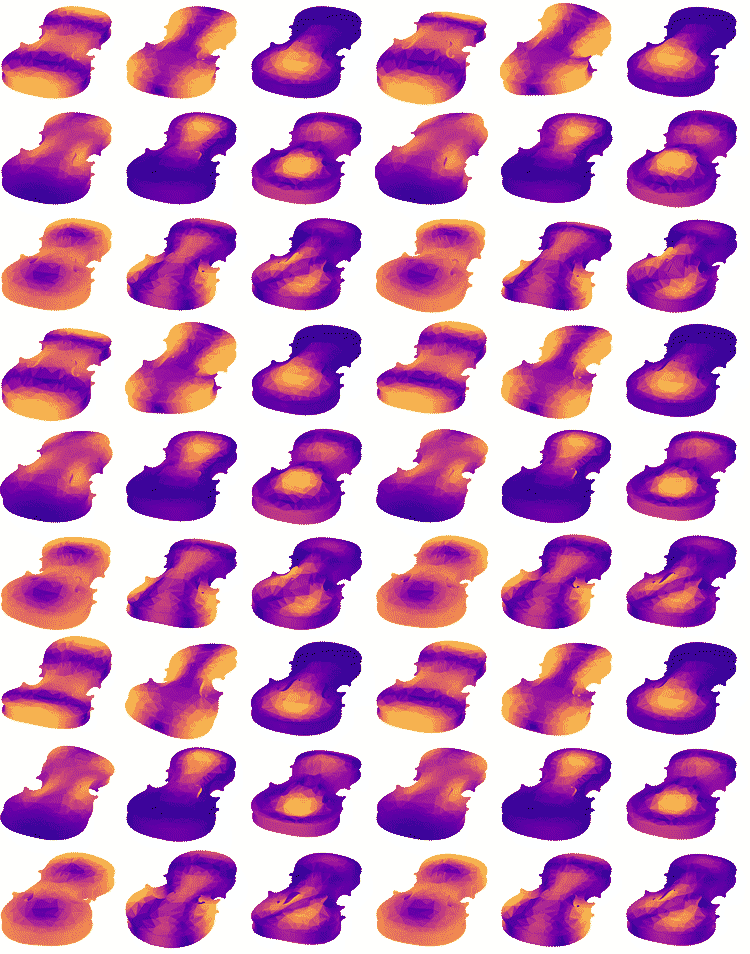
We model how physical systems vibrate and radiate sound using numerical methods and high-performance computing. Our work aims to bridge empirical acoustic theory and computer simulation to recreate instrument sounds with physical fidelity. We extend our simulaiton to an experimental analysis of physical theory using musical instruments as textbook examples that perfectly illustrate nonlinear waves and coupled stochastic systems. This becomes a foundation for providing technical solutions that facilitate the development of both physically-based and efficient simulations for creating new musical instruments.
Instrument Making and Design
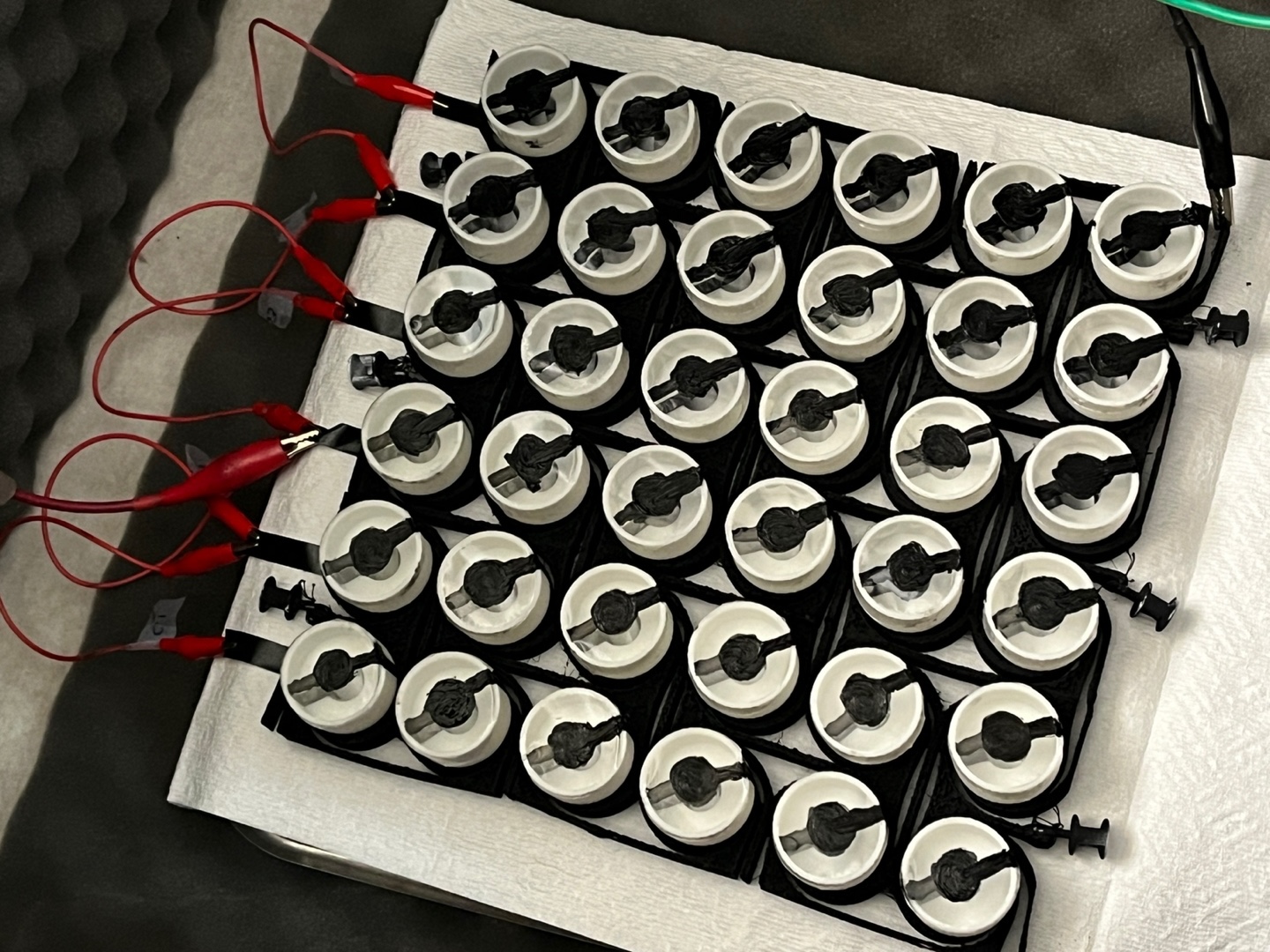
We design and build novel instruments integrating mechanics, electronics, and material engineering. In this context, the term "instrument" encompasses not only musical instruments but also a wide range of sound-related transducers, including audio equipment ranging from loudspeakers and microphones to Hi-Fi audio systems and vocal and auditory organs. Creating novel devices involves developing interfaces that translate computer-based simulation results into physical reality. For this, we conduct research in the fields of mechanical, electronic, and materials engineering, and we constantly contemplate the technical solutions needed from the perspective of musical instrument makers and audio equipment manufacturers.
Reverse-engineering of Physical Properties
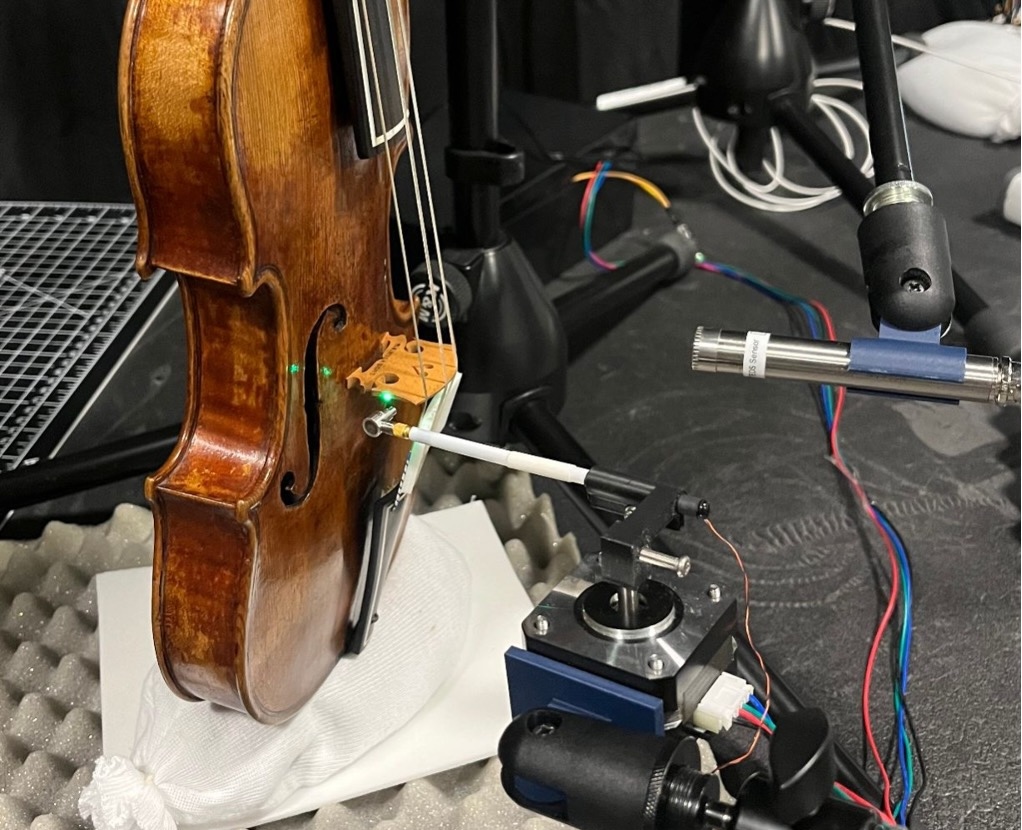
The acoustic characteristics of sounding objects, such as musical instruments, are determined by their shape and material. Despite the importance of these factors, determining their exact values is often challenging because such physical properties are highly specific to each individual object that must be preserved. We are researching a technical solution that enables complete control over an object's acoustic properties by reverse-engineering its physical characteristics from the sound it produces, all without damaging the object itself. Especially, this becomes a powerful tool in digitally preserving instruments with high conservation values.